Introducing the Big Idea: Native and Invasive Species
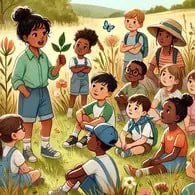
This month, my third graders dove into one of my favorite environmental science topics: native and invasive species.
We started by exploring what these terms really mean. Questions like:
- What makes a species native to a place?
- How do invasive species disrupt ecosystems?
From there, we zoomed out to talk about biomes, learning how each one has unique characteristics like climate, temperature, and resources.
As we explored, students began noticing the pattern:
- Animals have different adaptations depending on the biome they call home, and this matters when we talk about native vs. invasive species.
That connection laid the foundation for everything that followed.
“Who Would Win?” Animal Battles — With an Ecosystem Twist
Next came one of the students’ favorite parts: our animal battle cards.
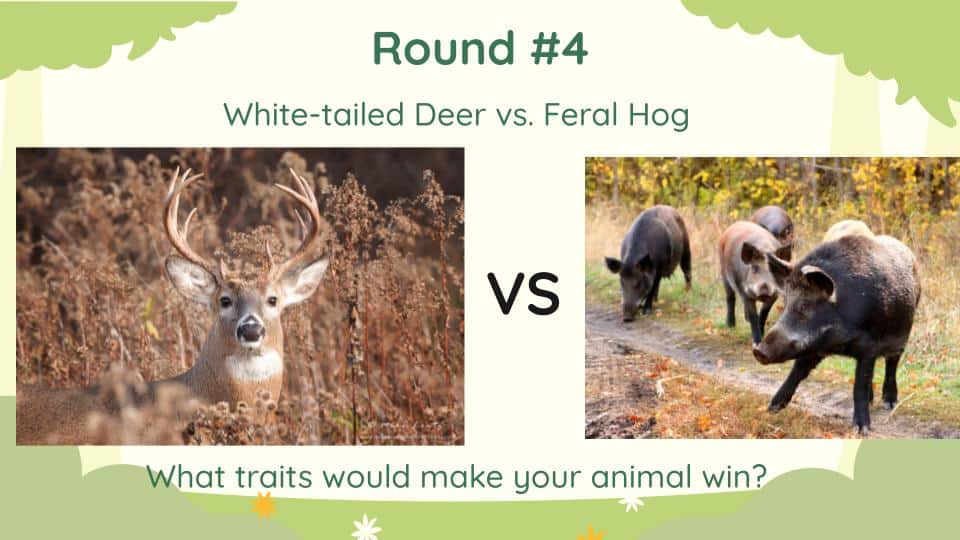
If you know third graders, you know they love the Who Would Win? book series. So we built on that enthusiasm. Students received cards with two different animals and had to debate:
- Which animal would win in a hypothetical battle?
- What adaptations give it the advantage?
- How does its biome shape those adaptations?
The discussions were incredible! Full of reasoning, comparisons, and evidence.
Then came the twist: In each battle, one animal was native to the biome, and the other was invasive.
This led to rich conversations about how invasive species sometimes “win” not because they’re better, but because they don’t belong in that ecosystem in the first place.
Designing an Animal for a Specific Biome
With the foundational concepts in place, it was time for students to become creators.
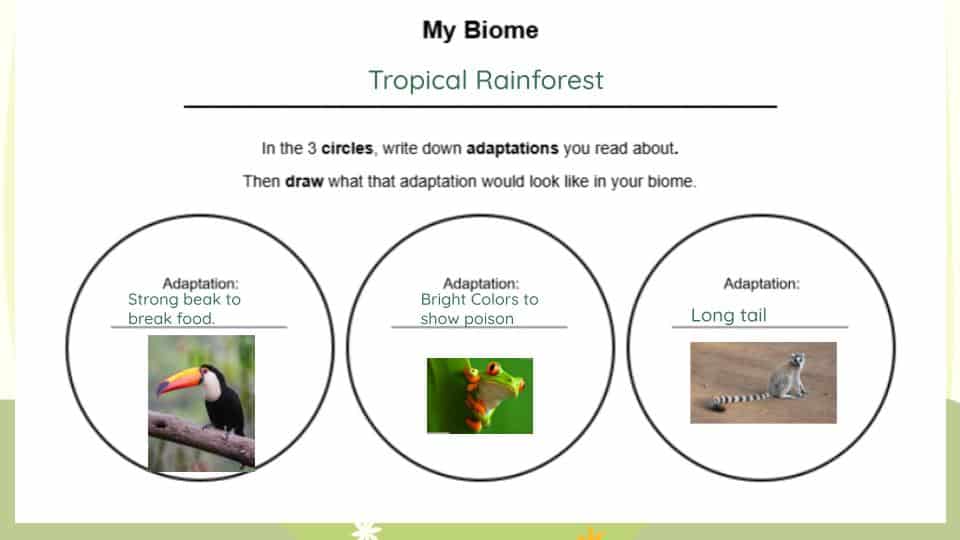
Each pair received a short passage describing one biome: its climate, location, unique plants, and the animals that live there. After reading and discussing, students were challenged to:
- Create an imaginary animal suited to that biome
- Identify its adaptations and why they were helpful
- Decide whether it would be a native or invasive species
They recorded their thinking, drew the animal’s adaptations, and talked through their design choices with peers. The excitement was unreal, especially as they debated whether their creature should “fit in” or “not belong.”
Building Their Creatures: From Imagination to 3D Model
The final step was pure creativity. Students brought their imaginary animals to life using:
- Tissue paper
- Yarn
- Straws
- Pom-poms
- Pipe cleaners
- And lots of imagination
Each final project included:
- The biome
- The animal’s name
- Its adaptations
- A short explanation of how those adaptations help it survive (or invade!)
The room buzzed with energy as new species took shape. From frost-tailed arctic gliders to desert leaf-camouflaged burrowers. Every single creature reflected the students’ understanding of adaptations, biomes, and the impact of invasive species.
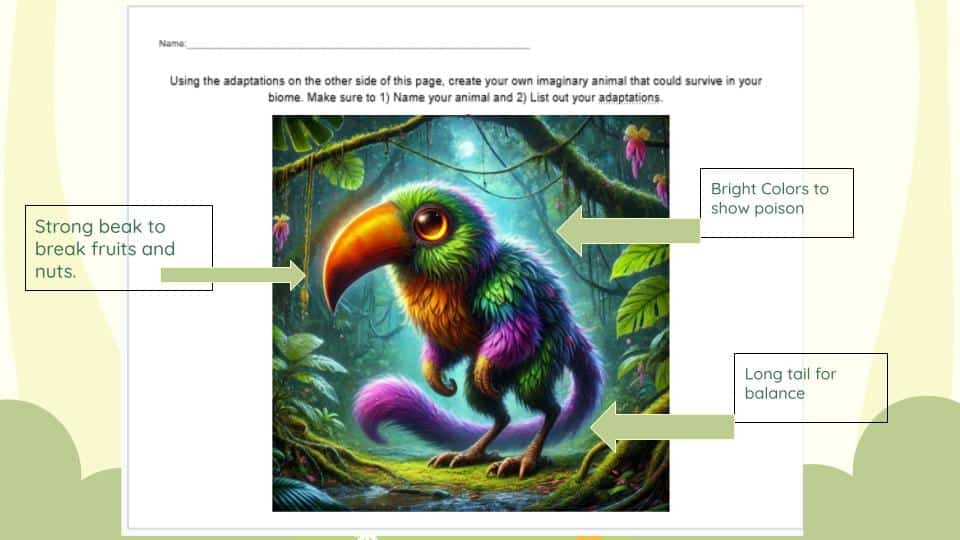
Side Note: I was able to use AI to create a classroom animal that was better than anything we could have imagined. Not only did we go through the process together, but we also discussed the positives and negatives of AI from a planetary standpoint.
A Lesson That Covered… Well, Everything
Biomes. Adaptations. Native vs. invasive species. Food webs. Climate. Geography. The standards covered in this lesson were endless, but what mattered most was watching students make meaningful connections through exploration, creativity, and hands-on inquiry.
If we’d had more time, I would have added a writing component where students described their species in full detail. But honestly? The learning was already so rich that they left the room excited, proud, and ready to explain their creations to their families.
This was one of those lessons where science, creativity, and environmental understanding all clicked, and students walked out with knowledge they’ll carry with them long after the project goes home.
Ready to lead your students on this exciting trail map? Take a look at some blogs that can bring sustainability into your classroom.
Miss Makey: Turning Trash to Treasure